Let's
work together.
• Developed a mechatronic regenerative braking system integrating mechanical design, electric motor braking, energy storage, and Autodesk Fusion simulations. Showcased an end-to-end Fusion workflow for a real-world e-bike application, targeting up to 16% energy recovery.
• Analyzed regenerative braking performance across 4 key parameters-vehicle speed, mass, terrain and system efficiency, and iterated designs in Autodesk Fusion. Produced a quantified design framework enabling Autodesk to evaluate Fusion workflows across 20+ simulated operating conditions.
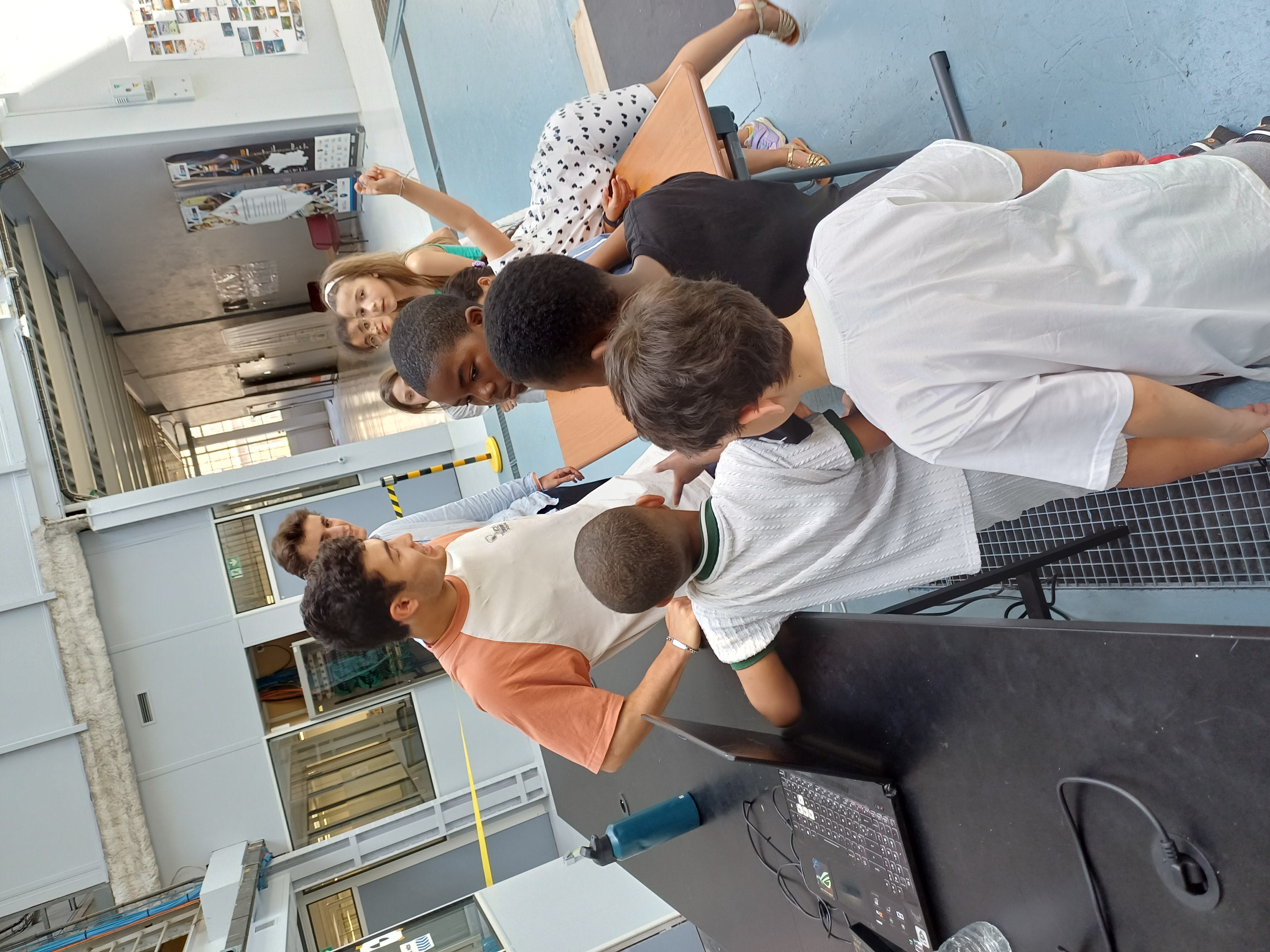
• Planned and facilitated interactive thermodynamics workshops for children aged 9-10, illustrating pressure, phase transitions, and material transformations through hands-on experiments. Explained 3 fundamental scientific principles through engaging demonstrations, fostering early interest in STEM education.
• Prepared and calibrated popcorn and cotton-candy experiments within a €50 budget, achieving demonstration times under 1 minute. Engaged groups of 9 children in hands-on scientific learning during 30-minute sessions, making advanced concepts tangible and accessible.
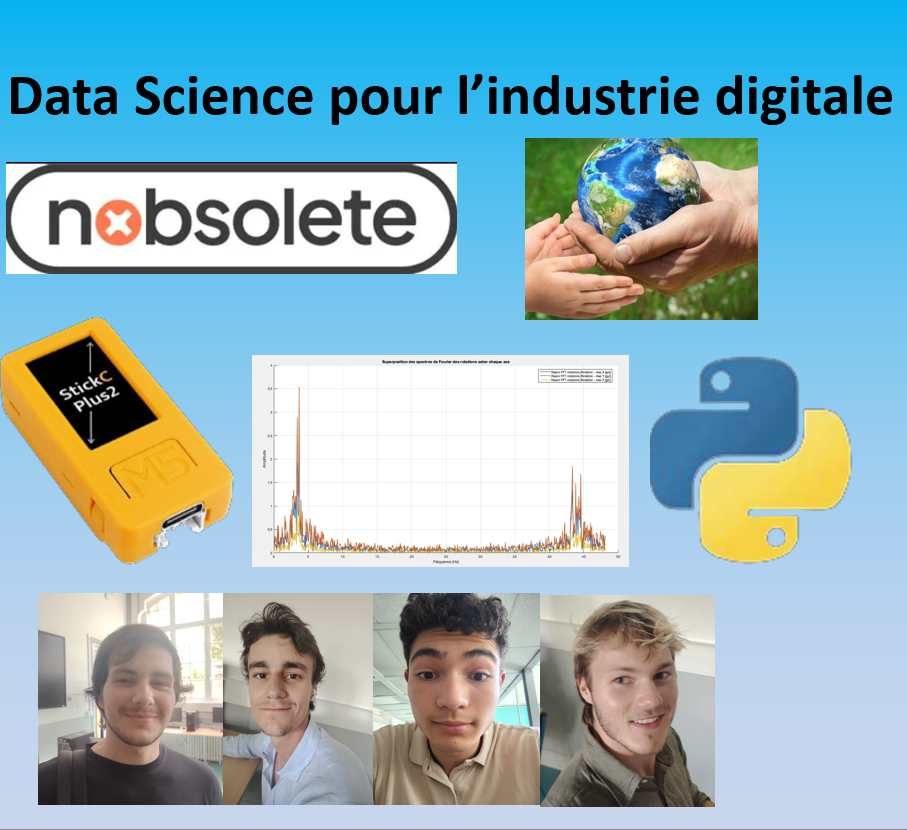
• Developed a predictive maintenance system for electric shavers using 6-axis IMU sensing and a Python time-series pipeline, combining FFT, K-Means, TDA, and Decision Tree classification. Achieved 90% fault classification accuracy, validating a new consumer-appliance use case for Nobsolete.
• Assessed vibration-based failure detection using a sub-€2 embedded sensor architecture. Outlined an integration approach for Nobsolete to monitor 90% of tested failure signatures at *<*€2 per unit, targeting 20%+ longer product lifetime through earlier fault detection.
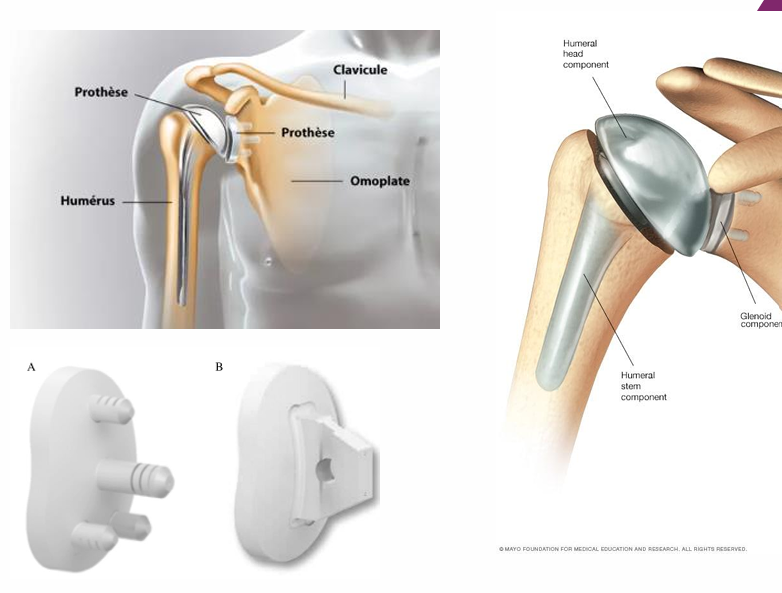
• Created a 3D glenoid implant in CATIA and conducted Abaqus FEA under 50-300 N loading, incorporating UHMWPE properties (E = 2100 MPa, v = 0.37). Supplied Arts et Metiers ParisTech researchers with a simulation framework covering a 6-fold load range to assess implant failure risks.
• Produced UHMWPE prototypes and performed mechanical testing using strain gauges and optical tracking. Identified 2 critical failure mechanisms, giving the Biomechanics Institute with 2 targeted areas for design improvement to enhance future implant reliability.
• Studied glenoid prosthesis biomechanics and devised an electromagnetic motion-tracking protocol, capturing humerus-scapula rotations across 6 subjects and 5 pointing trials. Compiled 3-axis kinematic datasets, saving Arts et Metiers ParisTech researchers 6 months of preliminary research.
• Analyzed motion-capture data using Octave and assessed tracking accuracy, identifying a 2.3° orientation error. Recommended optoelectronic tracking, targeting 55% lower measurement error for Arts et Métiers' Biomechanics Laboratory.
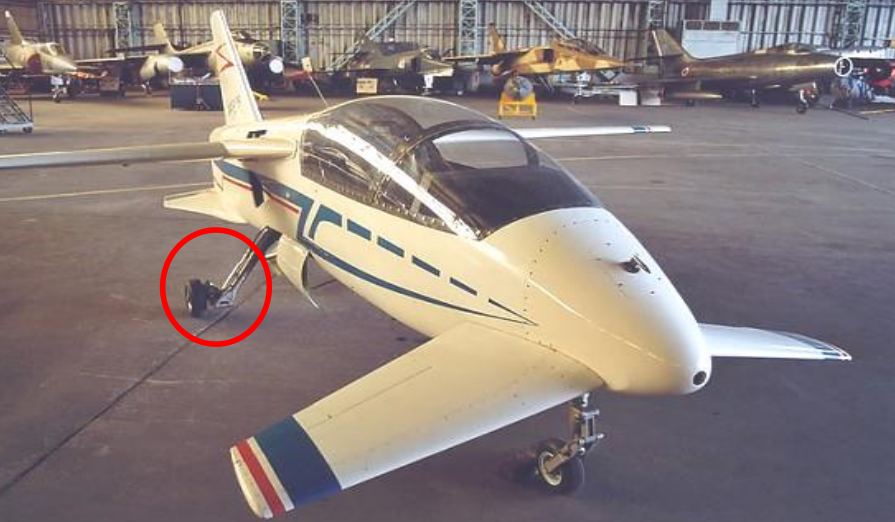
• Designed a complete braking system for a 685 kg aircraft, achieving 4 m/s² maximum deceleration with a 125 mm cast-iron disc. Verified a 204 N·m braking torque capacity per wheel, meeting aircraft braking requirements.
• Detailed the CATIA wheel-hub assembly with preloaded tapered roller bearings, a 30 mm shaft, and 6 M5 bolts verified against VDI 2230. Supplied the supervising professor with a ready-to-use engineering design, saving 6 months of preliminary research and associated development costs.
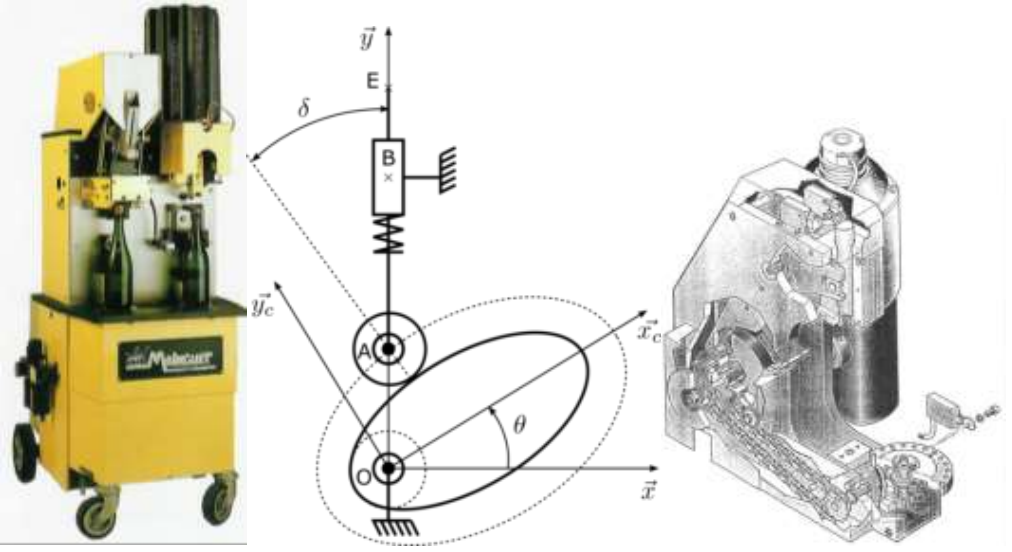
• Redesigned a champagne corking machine's cam-driven compression mechanism in CATIA, achieving 45 mm lift and reducing cork diameter from 31 mm to 16 mm. Increased production throughput from 800 to 1,800 bottles/hour (+125%), saving 33 production hours per 50,000 bottles.
• Refined the cam profile and verified contact pressure (1,103 MPa), minimum curvature radius (63.9 mm), and buckling resistance using CATIA and Excel. Saved €1,000-€1,500 in labor savings per 50,000 bottles.
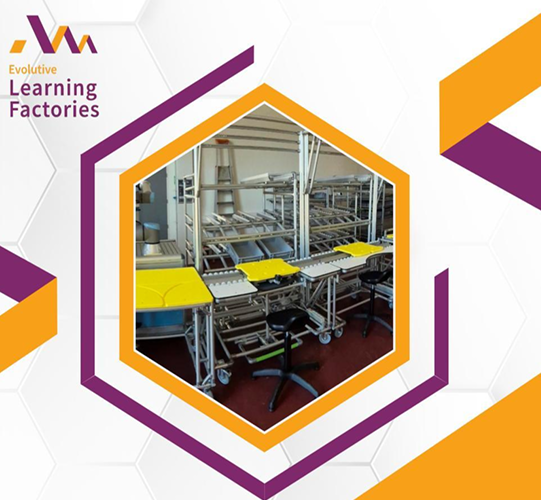
• Restructured the placement of 45 tools across a 42 m² assembly line using 5S Lean principles and frequency-based storage. Targeted tool retrieval times under 15 seconds, saving 30+ minutes per 100 tool accesses for Arts et Metiers instructors and students.
• Digitized tools as 3D models and fabricated 9 custom foam inserts for standardized storage. Evolutive Learning Factories obtainted 50% reduction in tool-search time and 100% visual identification of missing tools.
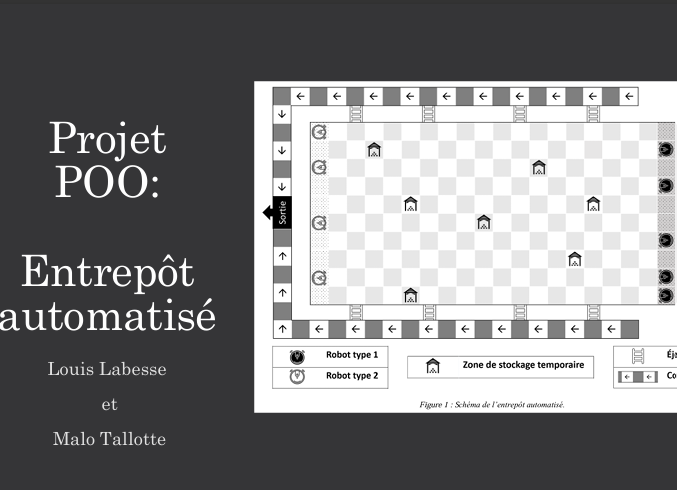
• Built a fully automated warehouse simulation in Python using object-oriented architecture, integrating robots, conveyors, and storage zones. Integrated adaptive A* pathfinding and collision avoidance, obtaining 30% shorter robot travel distances and 20% higher warehouse throughput.
• Developed an interactive Tkinter dashboard with XML-based configuration to visualize robot movements and dynamically modify warehouse layouts. Successfully cut setup time by 50% and enable rapid evaluation of 10+ warehouse configurations for logistics optimization.
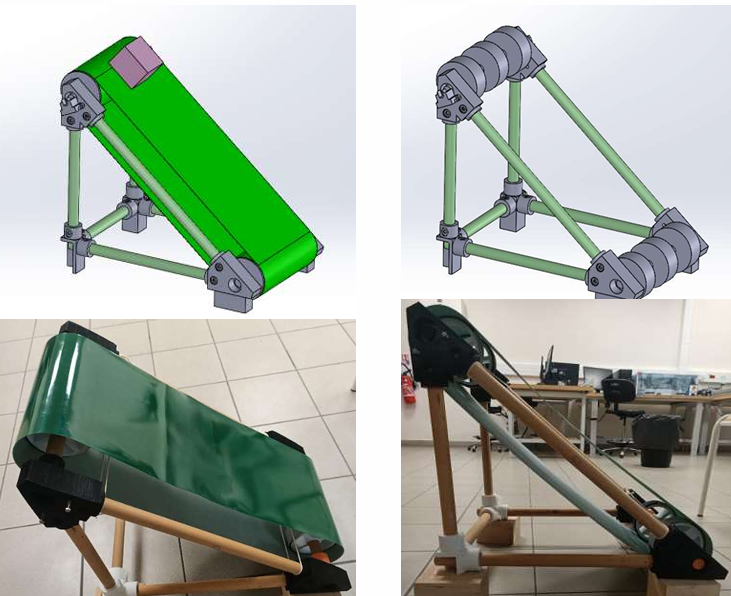
• Designed and assembled a full-scale energy-generating playground slide, integrating a 12V DC motor as a generator. Targeted enough energy generation to provide 1 smartphone with a 10% battery charge after approximately 30 minutes of continuous operation.
• CAD-modeled and 3D-printed 24 custom components, conducting 25+ electromechanical tests to refine energy conversion. Created a reusable prototyping platform targeting 30% lower development time and €200 in future prototyping savings.
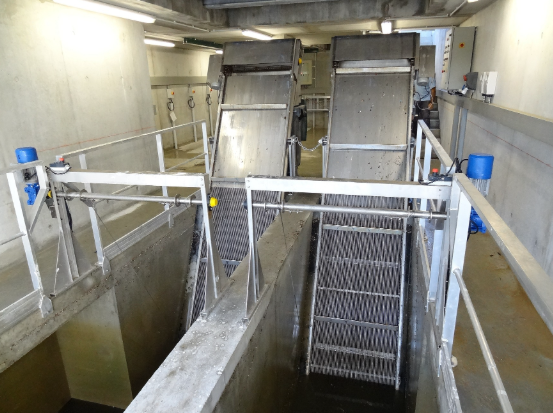
• Specified and dimensioned automated bar screens for a SIAAP wastewater treatment facility, assessing hydraulic flow, mechanical loads, and electrical requirements. Lead to a 20% reduction in screening downtime, equivalent to 73 additional operating hours annually.
• Consulted SIAAP engineers to refine equipment specifications and assess automated debris removal. Resulted in 18% lower maintenance labor requirements, potentially saving 150 staff-hours and €4,500 annually per installation.
• Self-taught HTML and CSS to build and continuously enhance a professional engineering portfolio from scratch. Organized technical projects, professional experience, and achievements into a single platform accessible 24/7 to recruiters worldwide.
• Published and maintained louislabesse.com, managing domain configuration, HTTPS security, and front-end debugging. Eliminated third-party development costs and established a centralized portfolio.